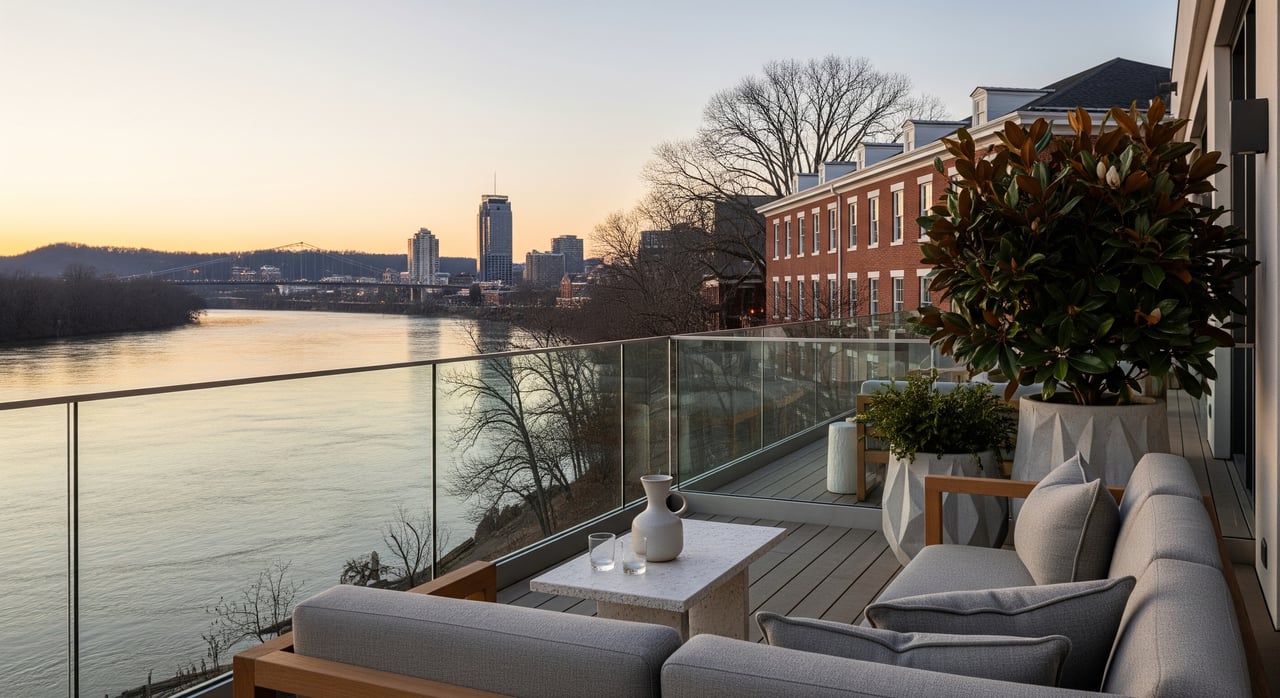
Imagine stepping out your front door and onto a riverfront path, grabbing coffee at a corner cafe, then strolling across a landmark pedestrian bridge into downtown. If you want an active, car-light lifestyle with parks, shops, and restaurants a short walk away, Northshore (often written “North Shore”) might be your spot. You may be comparing neighborhoods and weighing trade-offs like parking, noise, or HOA fees. This guide breaks down daily life, housing options, transportation, and what to expect so you can decide if Northshore aligns with your goals. Let’s dive in.
Northshore at a glance
Northshore sits immediately north of downtown Chattanooga along the Tennessee River. It feels like a compact urban village with a lively commercial corridor, river views, and easy access to the Walnut Street Bridge. The area is known for high walkability, an active social scene, and a mix of condos, smaller single-family homes, and newer infill.
Many residents value convenience and lifestyle over large yards. You will see young professionals, downtown workers, small families who like city amenities, and empty-nesters who want low-maintenance living. Boundaries vary by map, so most people think of the commercial district and the residential streets that fan out from the riverfront parks.
Daily life and amenities
Riverfront and parks
You have direct access to the Tennessee Riverwalk for walking, running, and biking with sweeping river views. A riverfront park with an antique carousel, open lawns, and regular programming anchors community life. Kayak and paddleboard access points help you get on the water, and outfitters serve the area. Larger outdoor destinations, including Lookout Mountain and regional trail networks, are a short drive away.
Dining, nightlife, and shopping
Northshore’s commercial spine offers independent boutiques, coffee shops, bakeries, craft breweries, casual eats, and sit-down restaurants. Foot traffic is steady on evenings and weekends, and street life feels lively when the weather is nice. Seasonal events, art shows, and nearby galleries add to the neighborhood’s creative energy.
Everyday convenience
You can check off many daily errands on foot within the core. There are grocery options and neighborhood services nearby, though larger supermarkets may require a short drive depending on your block. Regular events, riverfront festivals, and holiday programming create a communal feel many residents enjoy.
Housing types and neighborhood feel
Condos and apartments
Condo buildings and apartments cluster near the riverfront and the main commercial corridor. These are popular if you want lock-and-leave living and prefer a smaller or no-yard setup. HOA fees often apply and can vary, so be sure to review them closely.
Historic and smaller single-family homes
Step off the main streets and you will find older bungalows, Craftsman-style homes, and cottages. Some are fully restored, while others invite renovation. Lot sizes tend to be modest, which helps maintain the walkable, close-knit character.
New construction and infill
Infill projects and mixed-use buildings have increased as demand for walkable living grows. You may see ground-floor retail with housing above, along with townhomes and modern single-family infill on smaller lots. This keeps the area dynamic and adds housing variety.
Pricing and market notes
Northshore typically commands higher prices than many other Chattanooga neighborhoods due to walkability, river access, and proximity to downtown. Inventory and days on market vary by season and property type. You will see a blend of owner-occupied homes, rentals, and some short-term rental activity in selected buildings. If a condo catches your eye, factor HOA fees, reserves, and rules into your total monthly cost.
Practical buying considerations
- Outdoor space: Expect smaller yards or shared outdoor areas. Condos may have balconies or courtyards rather than private yards.
- Parking: Street parking is common and can be competitive near the core. Newer buildings may include garages or structured parking, but guest parking rules can be strict.
- Flood risk: River-adjacent parcels may be in FEMA flood zones. Always verify flood maps, elevation certificates, and insurance requirements for a specific address.
- Schools: Public schools are operated by Hamilton County Schools, and assignments depend on your exact address. Review boundary maps and state report cards for the most current information.
- Noise and nightlife: Evenings and weekends can feel energetic near restaurants and bars. Visit at different times to gauge your comfort level.
Getting around
You can walk or bike across the Walnut Street Bridge to reach downtown quickly. Many errands are doable on foot, especially if you live in or near the commercial core. CARTA bus routes serve the area, and route frequency varies by day and time, so check current schedules. Driving access to central city roads is straightforward, but plan for extra time during festivals and peak dining hours when traffic and parking tighten up.
Lifestyle trade-offs
- Safety: Northshore’s safety profile is comparable to other active, downtown-adjacent districts. Some streets feel quiet and residential, while the commercial core is busy at night. For the most current data, review local crime maps and official reports.
- Event crowds: Riverfront parks and neighborhood streets see more visitors during festivals, concerts, and peak seasons. If you prize quiet evenings, you may prefer homes a few blocks off the main corridor.
- Convenience vs. space: The neighborhood offers strong lifestyle convenience, but you trade off larger yards and wide driveways. Consider how you balance daily convenience with privacy and space.
Who thrives in Northshore
The young professional
You want to walk to coffee, meet friends for dinner, and bike to work. A condo near the river suits a busy schedule, and you value lock-and-leave living for weekend trips. The lively evening scene feels like a plus.
The small household
You prefer a compact home close to parks and the Riverwalk. A restored bungalow or townhome with limited outdoor maintenance fits your routine. You plan errands within a few blocks and enjoy community events.
The empty-nester
You want to simplify, stay active, and be near downtown arts and dining. A condo with elevator access and secure parking supports easy living. You enjoy walking to the river at sunset and catching events without driving across town.
Market outlook
Northshore remains in demand thanks to its riverfront setting, walkability, and proximity to downtown jobs and cultural amenities. Ongoing infill, adaptive reuse, and mixed-use projects will likely continue, reflecting a broader interest in urban living. As with any popular neighborhood, you may see a healthy discussion around preservation and new development as the area evolves.
Buyer checklist for Northshore
- Pull current market data for pricing, days on market, and inventory before you write an offer.
- Confirm school zones for the exact address and review state report cards.
- Check FEMA flood maps and insurance needs for river-adjacent properties.
- Review HOA fees, reserves, and rules for condos and townhomes.
- Verify parking arrangements, guest policies, and any on-street permits.
- Visit at different times of day and week to assess noise and parking.
- Clarify what outdoor areas are private versus shared and who maintains them.
Is Northshore right for you?
If you want a walkable, riverfront lifestyle with easy downtown access, Northshore delivers. You trade larger yards and quiet nights for convenience, parks, and a social rhythm that makes everyday life feel connected. If you are relocating, buying your first condo, moving up to a renovated bungalow, or considering a lock-and-leave home, the right guidance makes the process smoother and more confident.
If you are ready to tour Northshore or compare it with nearby options, reach out to Marcus Holt. You get calm, high-touch guidance from a local Realtor with a banking background who can help you align lifestyle, financing, and timing.
FAQs
What is the overall vibe of Northshore?
- It has a lively, walkable feel with riverfront parks, cafes, and a busy evening scene, especially near the commercial core.
How walkable is Northshore compared to other areas?
- It is among Chattanooga’s more walkable neighborhoods, with many daily needs met on foot in the core and a pedestrian bridge to downtown.
What housing types are most common in Northshore?
- You will find condos and apartments near the riverfront, plus older bungalows and cottages on nearby streets, and some newer infill and mixed-use developments.
Are home prices higher in Northshore?
- Generally yes, due to walkability and river access, but prices and inventory vary by property type and season, so review current data before you shop.
Is parking difficult in Northshore?
- It depends on location; some buildings include structured parking while others rely on street parking that can be tight during peak hours and events.
Are there flood risks I should know about?
- Some river-proximate parcels may be in FEMA flood zones, so check flood maps, elevation certificates, and insurance requirements for any specific address.
Which schools serve Northshore addresses?
- Public schools are managed by Hamilton County Schools, and exact assignments depend on your address, so confirm zones and review state report cards during your search.