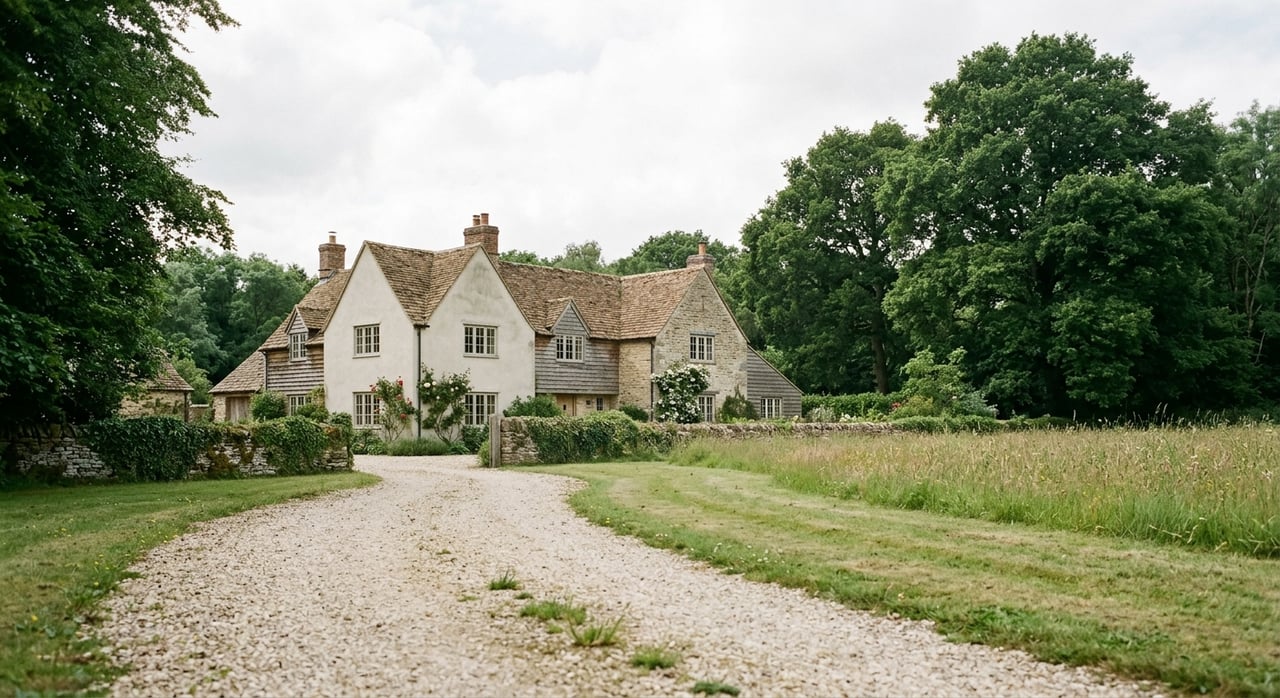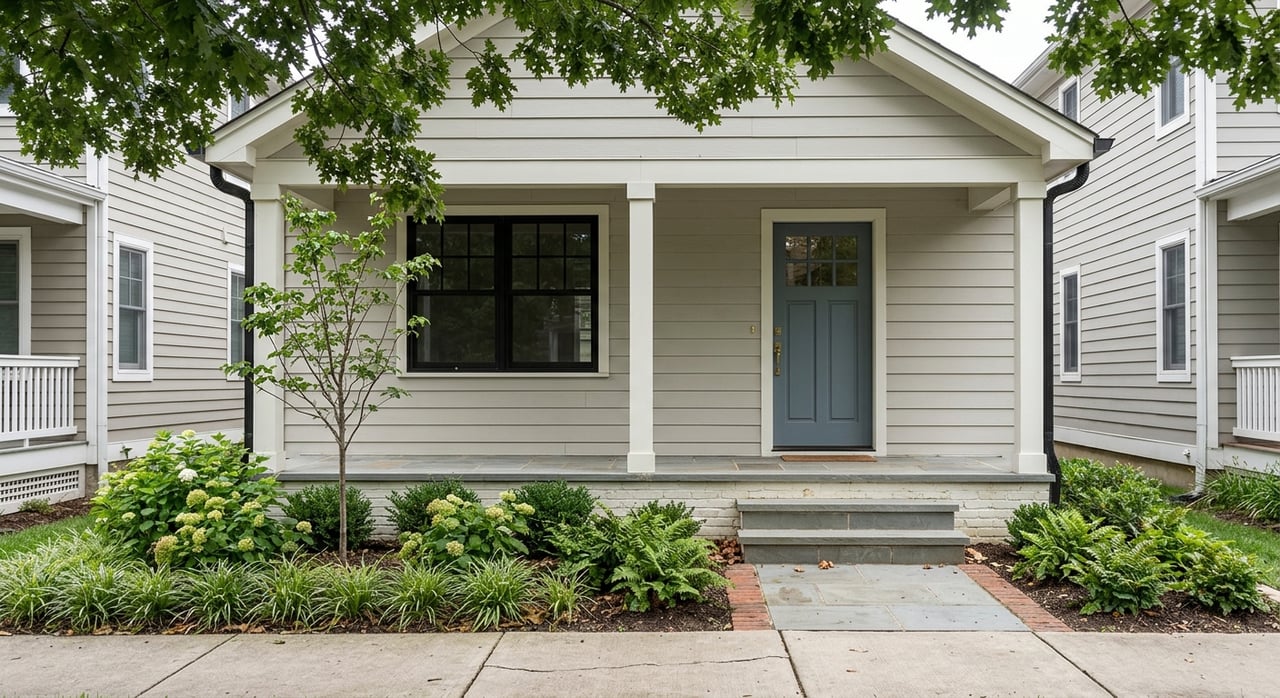
Are you wondering what your Signal Mountain view is really worth? Pricing on the mountain is not one-size-fits-all. Your lot position, trail access, condition, and the right set of recent comps can change your list price by tens of thousands of dollars. In this guide, you’ll see a simple, local method to price with confidence and a strategy to choose the best list price for your goals. Let’s dive in.
Why pricing is hyper-local
Signal Mountain sits on a ridge and plateau, so two homes with the same square footage can perform very differently. The sales-comparison approach is the backbone of pricing here. You look at recent sales on the same ridge or plateau, match for lot type and view quality, then adjust for features and condition. Ideally, you use comps from the last 6 to 12 months. If inventory is thin, expand carefully and document why each comp makes sense.
Buyers often include Chattanooga commuters, downsizers, and outdoor-focused buyers who value views and access to trails. Seasonality also matters. Spring and summer can showcase landscaping and leaf-on conditions, which affect how your view photographs and feels in person.
The five price drivers on Signal Mountain
1) Views and bluff exposure
Long-range valley or river views, direct sightlines to Chattanooga or Lookout Mountain, and unobstructed western sunsets can command a premium. Clear, private views from primary living spaces or the main bedroom often create larger value gains than a partial view from a secondary room. Well-framed, panoramic views commonly translate to a percent adjustment rather than a flat dollar amount, often in the 10 to 30 percent range relative to similar no-view homes.
Think about three things: where the view is enjoyed, how private it feels, and how durable it is. If leaf-on seasons or future development could limit visibility, buyers may discount the value. If the view is protected and visible from the main living areas, you can lean toward the higher end of the range.
2) Lot position, size, and topography
Rim or bluff lots tend to draw strong demand for views and privacy, while ridge-top parcels may provide panoramic exposure with gentler building conditions. Hillside or inset lots are often more manageable but less dramatic. Lot position affects usable outdoor space, driveway steepness, and long-term maintenance expectations.
Practical adjustments often range from about 5 to 20 percent in favor of prime bluff or ridge positions compared to interior hill lots. Larger acreage can add value for privacy and outdoor uses, though the premium per acre usually decreases as the lot gets bigger. Soil, stormwater, and driveway grade can also influence buyer confidence and concessions.
3) Trail and park access
Walkable access to town trails or a short distance to trailheads and parks can be a selling point for outdoor-oriented buyers. Documented access or proximity often adds a modest premium, typically 0 to 7 percent. Be clear about any easements, rights-of-way, or HOA rules that shape actual use.
4) Condition, systems, and utility
Buyers pay for confidence. Turn-key homes command stronger prices, while homes needing updates or system replacements trade at a discount. Typical market adjustments for condition can range widely. Cosmetic refresh needs are often in the 3 to 8 percent range. Systems like roof, HVAC, foundation, or septic that require replacement may drive 8 to 20 percent reductions depending on scope and perception.
A pre-list inspection with clear cost estimates can reduce uncertainty and help you price more accurately. It also gives you options to repair, offer a credit, or price to the work.
5) Recent comps and market momentum
Start with sales on Signal Mountain or the immediate plateau. Match for lot type, view quality, age, square footage, and condition. Favor sales within 3 to 12 months. When markets move, apply time adjustments that reflect local price trends. In a specialized area like Signal Mountain, you may have fewer comps, so expand the search radius carefully while staying on similar topography and documenting your rationale.
Build your pricing model
Step 1: Gather the right inputs
- Find 4 to 6 of the best comps on the same ridge or plateau, aligned on lot type and view, sold in the past 3 to 12 months.
- Review current competing listings and recently expired listings to understand buyer alternatives and pricing limits.
- Detail your property: square footage, bed and bath count, lot size, view quality and where it is enjoyed, outdoor living spaces, systems condition, trail access, and driveway grade.
- Note market tempo: median days on market and sale-to-list ratios from agent or MLS data.
Step 2: Set your base price per square foot
Use the average or a weighted average of the most comparable sales to establish a base price per square foot, then multiply by your finished square footage.
Step 3: Apply feature adjustments
Convert meaningful differences into sensible percentage or dollar adjustments. Views and lot position often work best as percent adjustments. Condition items can be modeled as either percent or cost-to-cure dollar deductions. Keep your logic consistent across comps.
Step 4: Reconcile to a value range
Blend the adjusted comp results into a low, likely, and high estimate. This gives you a range that reflects uncertainty and special features.
Step 5: Convert to a list-price strategy
Place your list price in a price band that aligns with your goals for speed and upside. Mind round-number thresholds so your listing appears in the right buyer searches.
Illustrative calculation (hypothetical)
- Subject: 2,400 square feet, primary living area faces the bluff with a significant valley view, good condition, 0.8 acre.
- Comparable sales average: $220 per square foot → base estimate = 2,400 × $220 = $528,000.
- Adjustments (illustrative):
- View premium: +15 percent → +$79,200
- Lot position (bluff and private): +7 percent → +$36,960
- Condition (turn-key): 0 percent
- Trail access (near trailhead): +3 percent → +$15,840
- Cumulative indication: about +25 percent overall → $528,000 × 1.25 = $660,000
- Reconciliation: Typical practice is to adjust each comp individually, then average adjusted results to land on a likely value. This example suggests a range around $640,000 to $680,000.
- Sensitivity checks:
- If leaf-on season reduces view quality, some buyers may discount 5 to 10 percent.
- If major systems need replacement, subtract estimated cost or apply an 8 to 20 percent deduction depending on scope.
Pick the right price band
Band 1: Aggressive or market-entry
You list below or right at perceived value to maximize traffic and spark multiple offers. Pros include a faster sale and broader buyer pool. Cons include the possibility of leaving money on the table if supply is tight.
Band 2: Market or equilibrium
You list at what typical buyers view as fair for current conditions. This balances speed and price, often producing steady showings and a contract near average days on market.
Band 3: Premium or testing
You price above the market to test upside, especially when the view, acreage, or uniqueness is exceptional and comps are limited. Pros include potential top-dollar outcomes. Cons include longer days on market and a higher chance of price reductions.
Tactical guidance for Signal Mountain
- Strong, private, panoramic views with few direct comps may justify the premium band when inventory is thin. Your marketing must highlight the view experience.
- Typical ridge or wooded properties with modest views tend to perform best in the market band. Initial perceived fairness matters because buyers compare varied lots on the mountain.
- Homes needing work can succeed at the aggressive band, or you can list at market and offer a post-inspection credit to preserve the property’s perceived value.
Price thresholds and search behavior
Round-number breaks can change how your property shows up in saved searches. As an example, the difference between $675,000 and $699,900 can shift which buyers see your listing. Choose a price point that places your home in the most relevant search tier.
Avoid common Signal Mountain pitfalls
- Using valley comps for a bluff property or vice versa, which can distort value.
- Overlooking leaf-on versus leaf-off view differences and photographing at the wrong time.
- Ignoring driveway steepness, stormwater, or rock/soil factors that affect perception and maintenance.
- Skipping a pre-list inspection, which leads to uncertainty around roof, HVAC, foundation, or septic.
- Not documenting trail access or easements, which buyers will ask about.
- Assuming acreage adds linear value without accounting for diminishing premiums as size grows.
Prepare to justify your price
Transparent documentation builds buyer trust. Reference recent Signal Mountain comps and on-mountain actives and expireds. Confirm lot details with local property records and be familiar with planning or permit items like setbacks and known easements. Complete your seller disclosures and consider a pre-list inspection so buyers feel confident about systems and structure. Septic versus municipal sewer availability is a material factor, so be ready to explain your setup and any updates.
Ready to see your home’s likely range and the smartest price band for your goals? Get a tailored CMA that accounts for your view, lot, and condition, plus on-site insight and timing advice. Request a free home valuation with Marcus Holt to start your pricing plan today.
FAQs
How do views affect price on Signal Mountain?
- Clear, private, panoramic views from primary living areas often add a double-digit premium, commonly modeled in the 10 to 30 percent range compared to similar no-view homes.
Which comps should I use to price a Signal Mountain home?
- Prioritize sales on the same ridge or plateau that match lot type, view quality, size, age, and condition, ideally closed within the last 3 to 12 months.
How much does trail or park access add to value?
- Documented access or close proximity often creates a modest premium, typically up to about 7 percent, with higher impact for outdoor-focused buyers.
Should I get a pre-list inspection for a bluff property?
- Yes. A pre-list inspection clarifies systems and structure, reduces buyer uncertainty, and helps you decide whether to repair, credit, or price to the work.
When is the best season to list a view property on Signal Mountain?
- Spring and summer often showcase landscaping and leaf-on conditions, though winter can open long-range views. Time photos and showings to highlight your best view.